
pexels-daria-8791457
Emergency Response Systems for Water and Wastewater

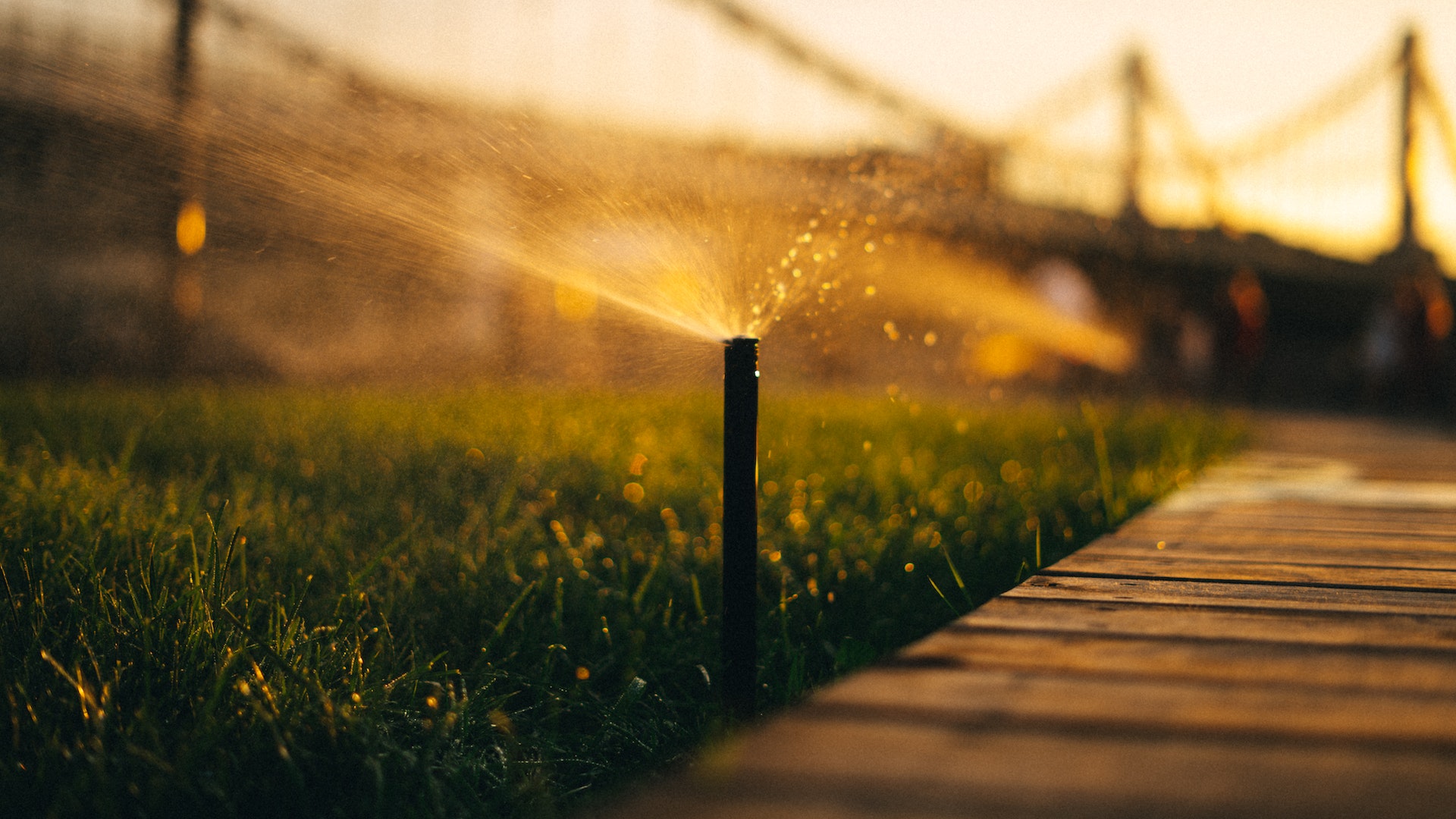
How You Can Set Up An Above Ground Sprinkler System For Your House Or Large Yard With Layflat Hose

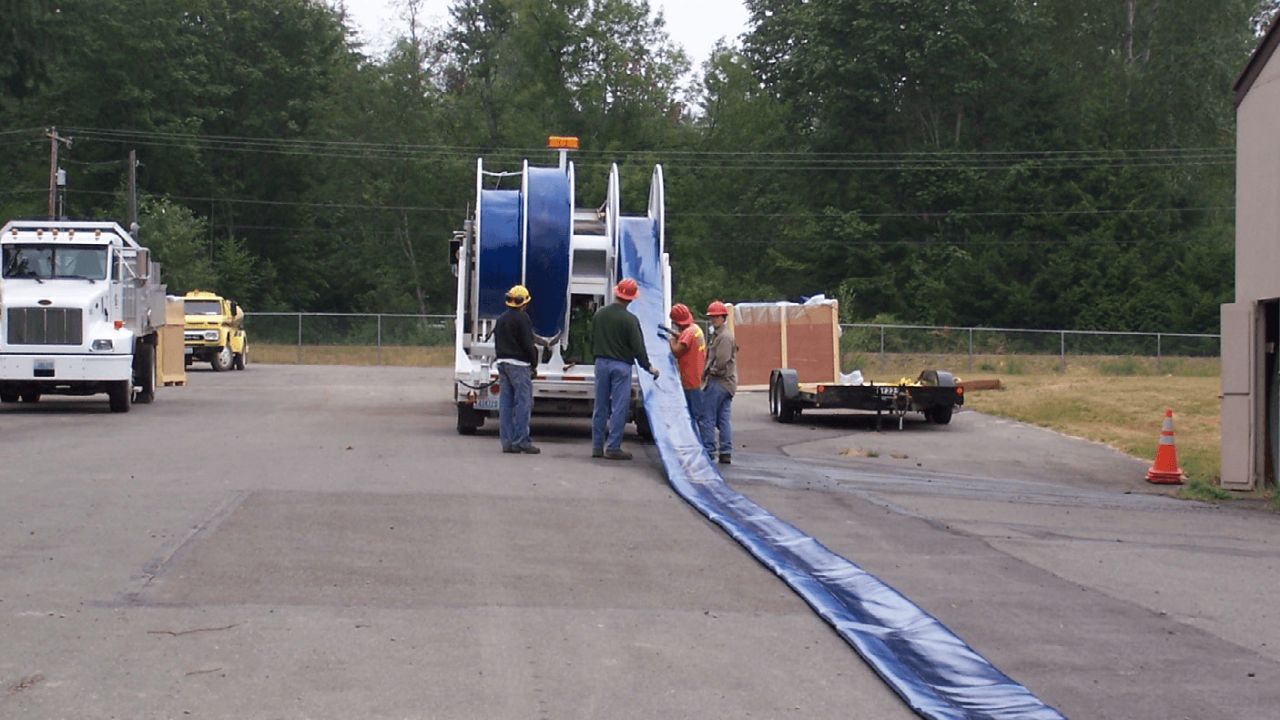
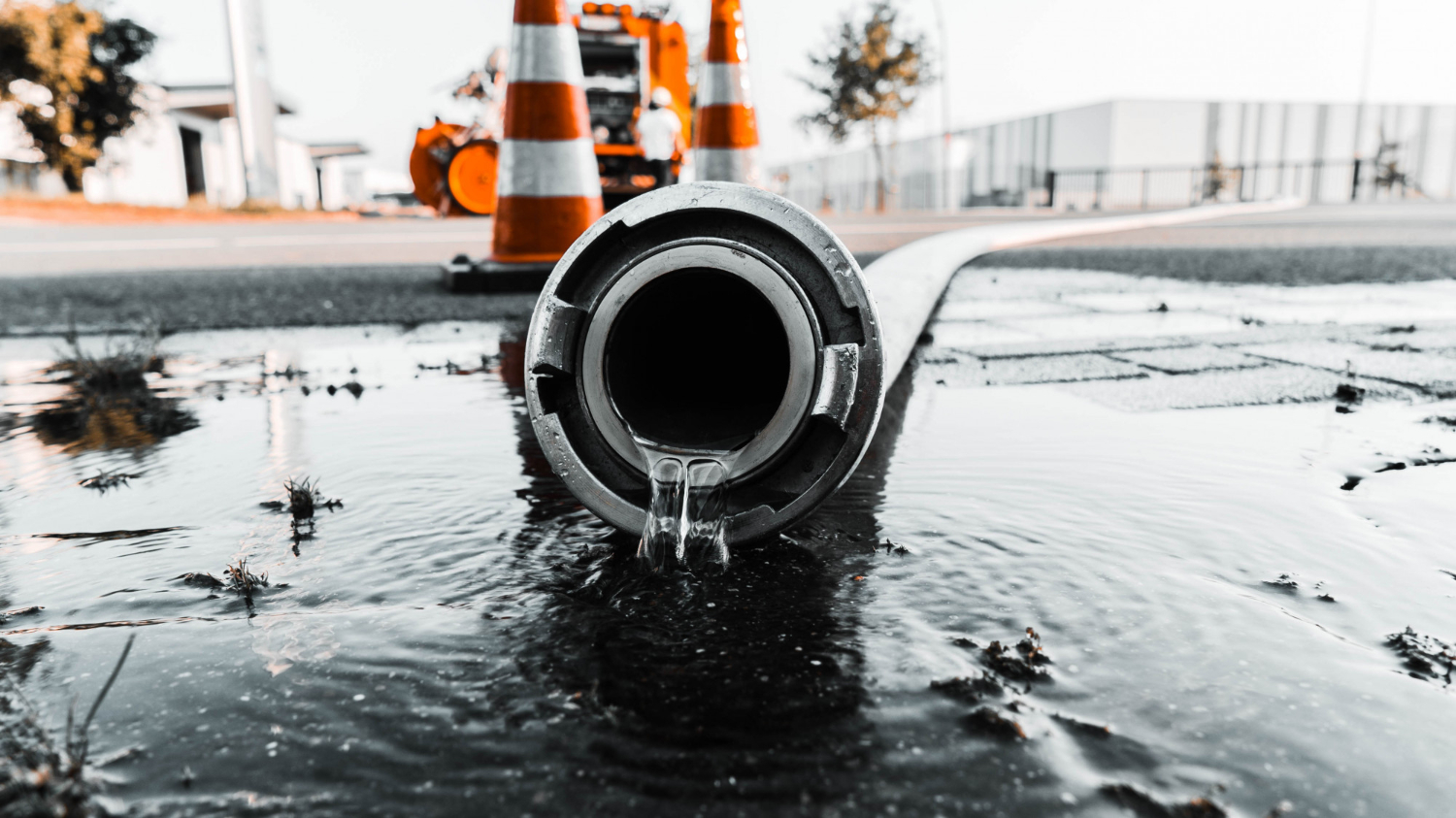
Originally produced as a pump discharge hose, Layflat Hose has been incorporated into many different applications such as: mining, horticulture, oil field applications, but this is how you can use it for an above ground sprinkler system.

Layflat hose has become an extremely popular option for anyone who needs to create their own sprinkler system on a DIY budget.  It’s also especially effective for people who need to be able to move their systems around over large areas due to its flexibility and durability.

Further, its low economical initial investment, ease of use, and resistance to chemical water treatment makes it a popular choice in a wide variety of applications.

Layflat’s initial cost is lower than other pipe and hose types. They are easy to connect, don’t require many special tools, and can be hauled over long distances. In fact, most brands of Layflat are compatible with Oval Hose fittings, which makes locating compatible and affordable fittings an easy task.

Is your yard so big that it just doesn’t make sense to install a MASSIVE sprinkler system underground? Perhaps you need to water recreational parks or sports stadiums?

Layflat hose is your answer because of how flexible, space saving, and cost effective it is.

All you need to do is hook up your layflat hose  (from 1 inch all the way to 4 inch in diameter!) to a water source and then connect it  to a water source with the appropriate fittings

For someone who doesn’t want to worry about turning it on and off, you can use a  battery-powered sprinkler timer which screws directly into the outdoor faucet. The timer outputs water through a single male-threaded faucet. Attaching a dual metal shut-off hose “Y” allows you to split that single output into two directions, one on each side of the lawn.

From there you can pick and choose which sprinkler system best fits your application. Whether it is a Heavy Duty Sled Based Sprinkler, Tripod Sprinkler,or Wheeled Sprinkler Cart – you have the option to customize your systems to any size or standard because of how customizable layflat hose is to its use.

Then, of course, when you need to pack it all up when watering season is over, you can take in your sprinklers, roll up your layflat hose, and store it nice and easily until the next season!

20180830_180929
Podcasts

How To Choose The Right Layflat Hose System For Wastewater Utilities 

When it comes time for you to choose a layflat hose system for wastewater utilities, there are some things that you should know. I will be sharing seven tips you need to know before you choose the next layflat hose system.

In this episode:

  • Why you need to know your hard pipe system
  • Why couplings adapter reducers are important
  • Make an effort to know your neighbors before an emergency happens
  • Building a community in the water industry

Need Emergency Piping? http://bit.ly/3J0ASc9


Subscribe To The Podcast:

Apple Podcast | YouTube | Spotify


Connect With The Show:

Facebook | Linkedin | Website


About Isaac:

Chairman & Emergency Pipeline Advisor for Water, Wastewater, and Flood Management.

A UC Irvine graduate and beginning his career in safety and emergency supplies. Isaac was trained by David Jackson on all things related to PPS. With the help of his predecessor, he has updated PPS in regard to technology and processes. He believes that PPS has just started to make an impact.

PPS has usually been a west coast company, but now Isaac believes that PPS can help utilities across the globe with PPS many applications. Not only with pipelines but with emergency response awareness as a whole. He enjoys sports, whiskey, and food.


About Portable Pipeline Systems:

We value preparation, trust, and integrity with our clients. We provide systems and solutions, not price-only products. We encourage our clients to prepare in advance for the worst, be it an earthquake, floods, fires, or just an aging infrastructure.

At PPS we do not claim to have every solution for every disaster, we encourage clients to be open about their solutions and include all possible vendors. When in a disaster situation, a city, county, state, or government must consider all options.

How To Choose The Right Layflat Hose System For Waster Water Utilities 

gray-pipe-with-water-coming-out-its-hole
Emergency Response Systems for Water and Wastewater

It’s Onsite!: What’s A Septic Tank And How Does It Work For You As An Onsite Wastewater System?

An onsite wastewater system (more commonly known as septic system) is a multi-tiered system which collects, treats, and disperses wastewater generated by a home or business.

Instead of connecting to a sewer, a business or homeowner has the option to use a septic system to handle any wastewater treatment.

In an onsite wastewater treatment system like a septic system, the idea is to treat the wastewater and then discharge it into the soil on site rather than transport it to a wastewater treatment plant via sewage pipes or truck.

How Does An Onsite Septic System Work To Treat Wastewater?

The septic tank is buried underground (or in some cases there are above ground septic systems depending on the water levels of the site). The tank itself is a watertight container usually made of concrete, fiberglass or polyethylene. Its one job is to house wastewater long enough for any solids to settle to the bottom (forming sludge) and for any oil or grease to float to the top (as scum).

Each tank also contains a  filerter called the Effluent Filter at the outlet of the box.  This filter keeps solids from leaving the tank and clogging the leach field – which is also underground – where the waste water is transferred into the soil.

An important part of the septic tank is the Distribution Box. This box splits the flows from the septic tank into multiple leach lines which then leach the wastewater into multiple spots throughout the leach field.  Further treatment of the wastewater occurs as it flows from the leach field and into/through the soils.

More recent systems have an advanced treatment system called the INNOVATIVE/ALTERNATIVE (I/A) systems and typically follow or even sometimes replace the septic tank altogether. These systems can treat the wastewater in a way which allows for a smaller leach field as well as smaller splits to groundwater tables and bedrock.

How Should You Maintain Your Onsite Wastewater System?

All of the components of your onsite wastewater system should be maintained on a regular basis.

Septic tanks should general pumped when the solids or scum reach a certain volume of the tank.

Effluent filters should be checked and cleaned by professionals on a regular basis (either once or twice a year for most households and filters).

Distribution boxes should also be checked and adjusted by professionals to maintain equal distribution.

Your pump tanks should be assessed for solids build-up and control panel operation (including checking the alarm).

How Should You Operate Your Septic System?

  • Make sure you have installed high-efficiency toilets in your business or your home.  High efficiency toilets use 1.28 gallons of water or less per flush.
  • Do you have faucet aerators and high-efficiency showerheads? Both of these tools reduce the amount of water flowing through the pipes.
  • When you use your washing machines be sure to run only full loads of laundry, and to stagger loads throughout the week.
  • Never flush feminine hygiene products, diapers, cigarette butts, coffee grounds, cat litter, household chemicals, pharmaceuticals.  ONLY human waste and toilet paper goes in your toilet.
  • Try to only use boiling water or a drain snake for clogged drains.
  • It’s also best to not have  garbage disposal in your sink because it can significantly reduce the amount of solids entering the tank.


Here’s how to best maintain your leach field:

  • Never park or drive on your leach field.
  • Plant trees the appropriate distance from your leach field to keep roots from growing into your septic system
  • Keep roof drains, sump pumps, and other rainwater drainage systems away from your leach field


How Does An Onsite Wastewater System Fail?

Septic system failures may be caused by a number of activities including:

  • pouring chemicals down sinks or toilets
  • excessive water use
  • failure to provide proper maintenance
  • use of garbage disposals
  • improper design or installation of the system
  • The leach field may clog over time, and that’s when it’s no longer operating within its intended lifespan.

These are the symptoms of an onsite wastewater system failure:

  • You will see wastewater backing up into household drains.
  • You will notice super bright green, spongy grass on the leach field, even during dry weather.
  • You will notice pooling water or muddy soil around your septic system or even in your basement.
pexels-julia-volk-5273095
Emergency Response Systems for Water and Wastewater

The Many Challenges And Solutions We Are Facing With Our Water Distribution System

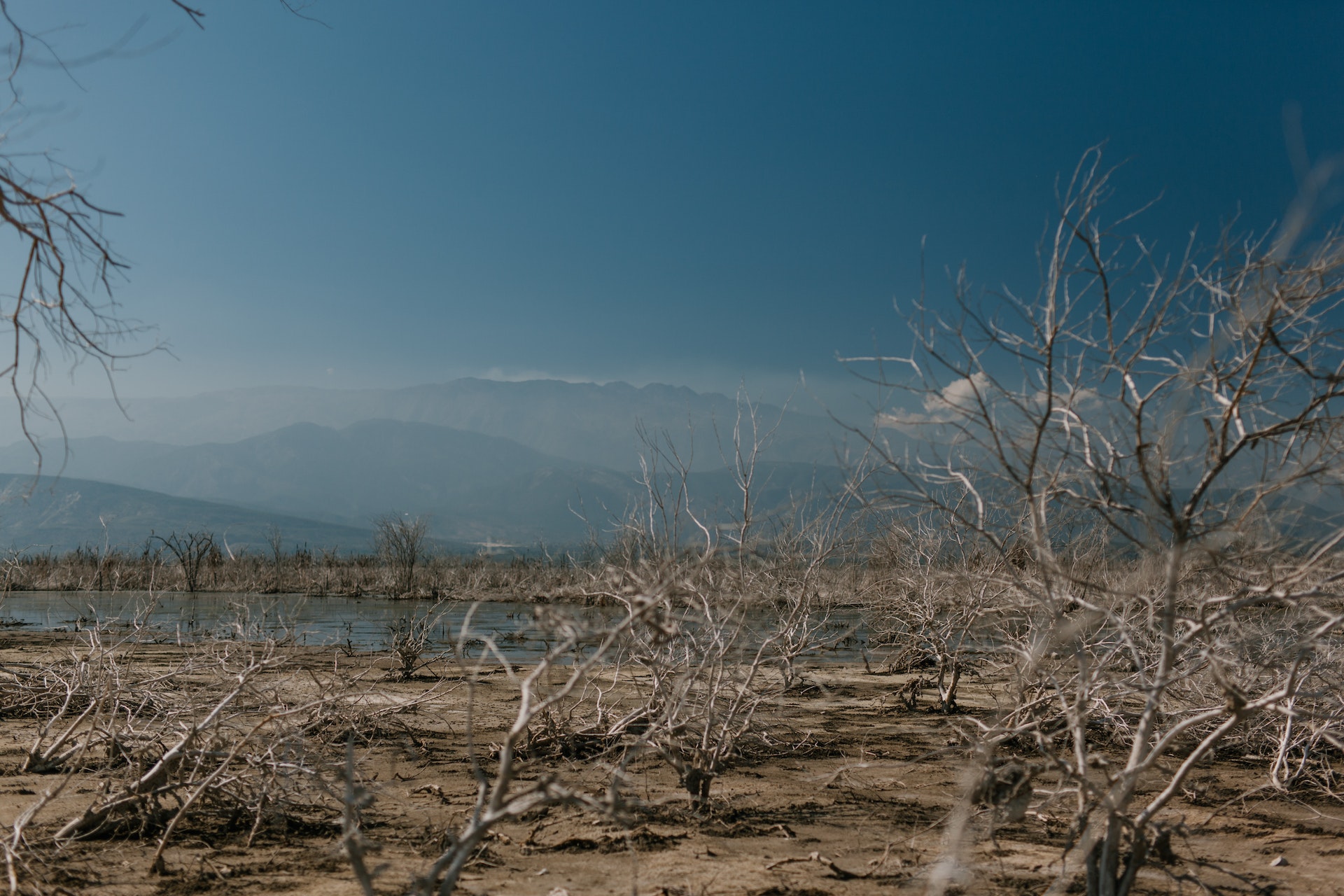
We are experiencing an unparalleled water drought and our water distribution system needs to be improved.

We are experiencing some of the worst drought conditions (especially in the southwest U.S.) that our country has ever faced.  We have a rapidly increasing population in areas that aren’t built to house the kind of demand, and we need innovative methods to manage a water supply system. For water to be present for all, we need to think outside of the box.

In some instances, we have already begun this process. Recently, reclaimed water has been growing in popularity as an essential water resource for potable and nonpotable uses. Furthermore, new conveyance systems, treatment facilities and beginning to implement more conservation practices are starting to make minor differences in the present and future of our water supply.

The problem with this is that the more changes we make, the more complex our systems become – which then means there is a far greater margin for error during the operation of the system.

As such, there has been an increasing number of attempts to develop an accessible general water supply system so that we can reliably have water now, but also with an eye towards long range planning.

Below are some distribution systems which many engineers are starting to work with for our future.

A Fully Operational (And Properly Working) Water Distribution System

  1. Water quality should not get deteriorated in the distribution pipes.
  2. Supplies water at all the intended places with sufficient pressure.
  3. No one should be without water supply – even during any repairs of the system.
  4. All the distribution pipes should be three feet away or above the sewer lines.
  5. There should be minimal leakage throughout the system.

Layouts of Water Distribution Network System

Since the water systems of each municipality have been constructed at various times of history, and usually follow the roadways, there are many different kinds of layouts.

Grid Iron Water Distribution System:

It is suitable for cities with rectangular layout, where the water mains and branches are laid in rectangles.

Advantages:

  1. Water is kept in good circulation due to the absence of dead ends.
  2. In the cases of a breakdown in some section, water is available from some other direction.

Disadvantages

  1. Exact calculation of sizes of pipes is not possible due to provision of valves on all branches.

Ring Water Distribution System:

The supply main is laid all along the peripheral roads and sub mains branch out from the mains. Thus, this system also follows the grid iron system with the flow pattern similar in character to that of dead end system.

Advantages:

  1. Water can be supplied to any point from at least two directions.

Radial System:

The area is divided into different zones. The water is pumped into the distribution reservoir kept in the middle of each zone and the supply pipes are laid radially ending towards the periphery.

Advantages:

  1. It gives quick service.
  2. Calculation of pipe sizes is easy.

Dead End System:

It is suitable for old towns and cities having no definite pattern of roads.

Advantages:

  1. Relatively cheap.
  2. Determination of discharges and pressure easier due to less number of valves.

Disadvantages

  1. Due to many dead ends, stagnation of water occurs in pipes.

Case Study: Jumping Fire Hydrants With With NSF Hose & PRV
Podcasts

Case Study: Jumping Fire Hydrants With NSF Hose & PRV

In this small case study, we will talk about the process of jumping fire hydrants and how Lake Tahoe PUD jumped fire hydrants with a mobile PRV and NSF Hose.

In this episode we discuss:

  • The South Tahoe Public Utility District
  • Why you might need to jump fire hydrants
  • The products we use to jump fire hydrants

Need Emergency Piping? http://bit.ly/3J0ASc9


Subscribe To The Podcast:

Apple Podcast | YouTube | Spotify


Connect With The Show:

Facebook | Linkedin | Website


About Isaac:

Chairman & Emergency Pipeline Advisor for Water, Wastewater, and Flood Management.

A UC Irvine graduate and beginning his career in safety and emergency supplies. Isaac was trained by David Jackson on all things related to PPS. With the help of his predecessor, he has updated PPS in regard to technology and processes. He believes that PPS has just started to make an impact.

PPS has usually been a west coast company but now Isaac believes that PPS can help utilities across the globe with PPS many applications. Not only with pipelines but with emergency response awareness as a whole. He enjoys sports, whiskey, and food.

About Portable Pipeline Systems:

We value preparation, trust, and integrity with our clients. We provide systems and solutions, not price only products. We encourage our clients to prepare in advance for the worst be it earthquake, flood, fires, or just an aging infrastructure.

At PPS we do not claim to have every solution for every disaster, we encourage clients to be open about their solutions and include all possible vendors. When in a disaster situation, a city, county, state, or government needs to consider all options.

Case Study: Jumping Fire Hydrants With With NSF Hose & PRV

The Cost Of Waiting To Start A Lay Flat Hose Program For Water And Wastewater
Emergency Response Systems for Water and Wastewater

Safe Wastewater Management Could Help Protect Our Ecosystems, Give Us Energy & Produce Quality Water For Consumption

Wastewater will potentially play a significant role in supplementing our growing water demand, energy production, and even sustainable agriculture.

Good water quality is the lifeblood for our health, but also our thriving economies. The water problems we are facing today though, is that our population is increasing, pollution is at an all time high and our water delivery systems are not only growing older but they are getting far more complex. In essence, it’s just harder to get clean water to the people who need it.

A potential solution to this problem is how we manage our wastewater. The solution not only extends to how we manage the quality water services, but also how we can treat it.  Our goal is   not to worry about the chemical, physical and biological components so it can be reused to supplement our growing potable water demand.

Our initial inclination as a society is to either discard or ignore wastewater. While that may have worked in the past, that outdated model has to evolve as our ecosystems evolve around us.

The Hard Challenges and Many Areas Of Opportunity Wastewater Presents For Our Ecosystem

Safe and sufficient water is inexorably linked to how our wastewater is managed.

The challenges we face with wastewater is that in order to turn it into potable water, that wastewater must be carefully managed during every part of the water treatment. That treatment is extremely complex and the regulations surrounding wastewater treatment are relatively prohibitive. In other words, the water quality standards are extremely high – as they should be!

This doesn’t mean it can’t be done, but, rather, it is time consuming and expensive to treat it appropriately.

Further complicating this process is the rapid increase in our global population which means a commensurate increase in wastewater as well as the overall pollution associated witih the creation of wastewater.

What’s more, our water supply is starting to see signs of untreated sewage, heavy metals, farm runoff and industrial water and that is degrading the overall quality of water for the global population. In fact, 80% of wastewater flows back into our ecosystem without being treated or reused.  This is  contributing to 1.8 billion people using a source of drinking water which is contaminated which puts them at risk of contracting diseases such as cholera, dysentery, typhoid, and even polio.

Our wastewater and and the effect on the water quality in our cities

Wastewater commonly flows directly into the closest water drains or drainage channels,  and usually without treatment – especially large populations in third world countries.

On the other hand, wastewater used by municipalities in the United states for watering green spaces or to clean common areas like streets does not need to be treated to a potable standard. This is beneficial because we can use that treated water, and not run the tap water supply down by using it to do the same job.

When we look at it from this point of view, recycled wastewater may help combat other challenges including food production and industrial development.

Wastewater and the effect on our industries

Our society has put increased pressure on industries to not only reduce pollution over the past few years, but also to treat the water they use before it is discharged back into the global water supply.

Many companies are seeing how wastewater can be used within the business itself or via multiple businesses through a process called ‘industrial symbiosis’.  Because it doesn’t need to be of drinking water quality, these companies are seeing a strong incentive to use in-house wastewater simply based on cost savings alone.

For instance, companies are starting to use processed water for cooling or heating their buildings.  Furthermore, these companies are also using water from roof collections for everyday uses like flushing toilets, watering the grass or vehicle cleaning.

Once again, this lowers the stress level on the potable water supplies, and makes for a much more efficient use of resources, time, and energy.

Wastewater and the benefits on our agriculture

Chemical fertilizers and pesticides have seen an increase in recent years, and this increases the potential of environmental pollution coming from our farm systems.

This level of irrigation is problematic, especially for third world countries, because it is informing what kind of water these populations are consuming. By improving wastewater management, we will see a direct correlation to workers’ health simply because we are reducing the risk of exposure to various harmful pathogens.

As such, if applied safely, wastewater is a valuable source of both water and nutrients.  This can contribute to the water supply, as well as food security and livelihood improvements.


Be Safe – Think Ahead

At PPS, we value preparation, trust, and integrity with our clients. We provide systems and solutions, not price only products.  Though we do not claim to have every solution for every disaster, we encourage clients to be open about their solutions and include all possible vendors. When in a disaster situation, a city, county, state, or government needs to consider all options.

As such, we guide our clients to prepare in advance for the worst, be it earthquake, flood, fires, or just an aging infrastructure utilizing lay flat hose. See our website for our layflat hose solutions.

How And Why To Apply For Federal Grants From F.E.M.A
Podcasts

How And Why To Apply For Federal Grants From F.E.M.A

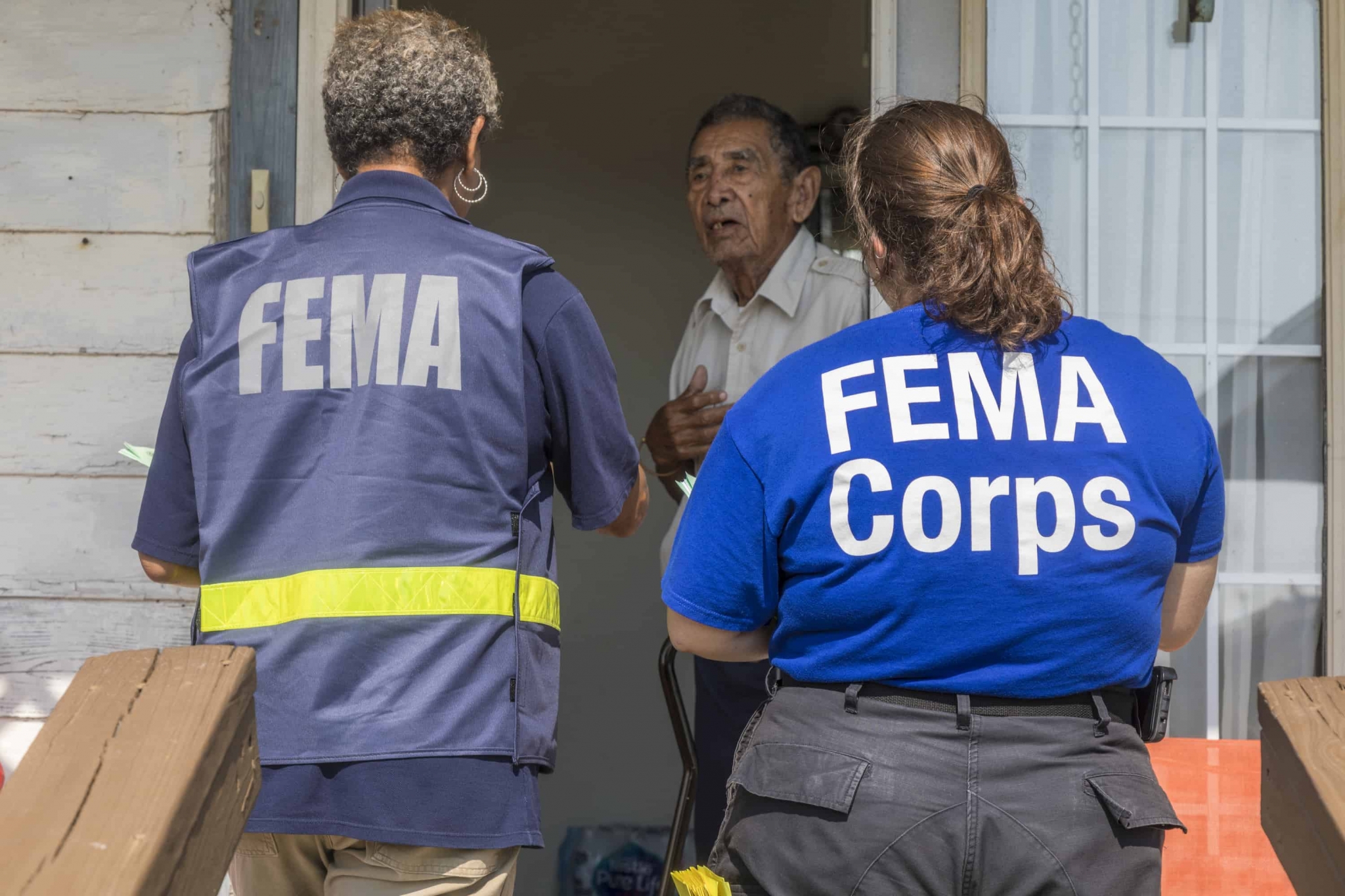
There are a number of different circumstances why you would apply for a federal grants from F.E.M.A due to natural disasters.

In this episode we discuss:

  • Applying for Federal Grants
  • What is Hazards Migration
  • Various Natural Disasters F.E.M.A Covers


Need Emergency Piping? http://bit.ly/3J0ASc9


Subscribe To The Podcast:

Apple Podcast | YouTube | Spotify


Connect With The Show:

Facebook | Linkedin | Website


About Isaac:

Chairman & Emergency Pipeline Advisor for Water, Wastewater, and Flood Management.

A UC Irvine graduate and beginning his career in safety and emergency supplies. Isaac was trained by David Jackson on all things related to PPS. With the help of his predecessor, he has updated PPS in regard to technology and processes. He believes that PPS has just started to make an impact.

PPS has usually been a west coast company but now Isaac believes that PPS can help utilities across the globe with PPS many applications. Not only with pipelines but with emergency response awareness as a whole. He enjoys sports, whiskey, and food.

About Portable Pipeline Systems:

We value preparation, trust, and integrity with our clients. We provide systems and solutions, not price only products. We encourage our clients to prepare in advance for the worst be it earthquake, flood, fires, or just an aging infrastructure.

At PPS we do not claim to have every solution for every disaster, we encourage clients to be open about their solutions and include all possible vendors. When in a disaster situation, a city, county, state, or government needs to consider all options.

How And Why To Apply For Federal Grants From F.E.M.A


How To Choose A Lay Flat Hose System For Potable Water
Podcasts

How To Choose A Layflat Hose System For Potable Water

We will explain how a water utility can choose a layflat hose system that best suits their needs. It’s not just about the trailer, a lot of other things to consider.

In this episode we discuss how to:

  • Know Your Pipe System
  • Know Your Fire Hydrants  
  • Know Your Risk
  • Know Your Neighbors 
  • Know Your Budget

Need Emergency Piping? http://bit.ly/3J0ASc9


Subscribe To The Podcast:

Apple Podcast | YouTube | Spotify


Connect With The Show:

Facebook | Linkedin | Website


About Isaac:

Chairman & Emergency Pipeline Advisor for Water, Wastewater, and Flood Management.

A UC Irvine graduate and beginning his career in safety and emergency supplies. Isaac was trained by David Jackson on all things related to PPS. With the help of his predecessor, he has updated PPS in regard to technology and processes. He believes that PPS has just started to make an impact.

PPS has usually been a west coast company but now Isaac believes that PPS can help utilities across the globe with PPS many applications. Not only with pipelines but with emergency response awareness as a whole. He enjoys sports, whiskey, and food.

About Portable Pipeline Systems:

We value preparation, trust, and integrity with our clients. We provide systems and solutions, not price only products. We encourage our clients to prepare in advance for the worst be it earthquake, flood, fires, or just an aging infrastructure.

At PPS we do not claim to have every solution for every disaster, we encourage clients to be open about their solutions and include all possible vendors. When in a disaster situation, a city, county, state, or government needs to consider all options.

How To Choose A Layflat Hose System For Potable Water


pexels-eberhard-grossgasteiger-518485
Emergency Response Systems for Water and Wastewater

Understanding How Our Water Systems Work To Brings Us Earth’s Biggest Resource Every Single Day

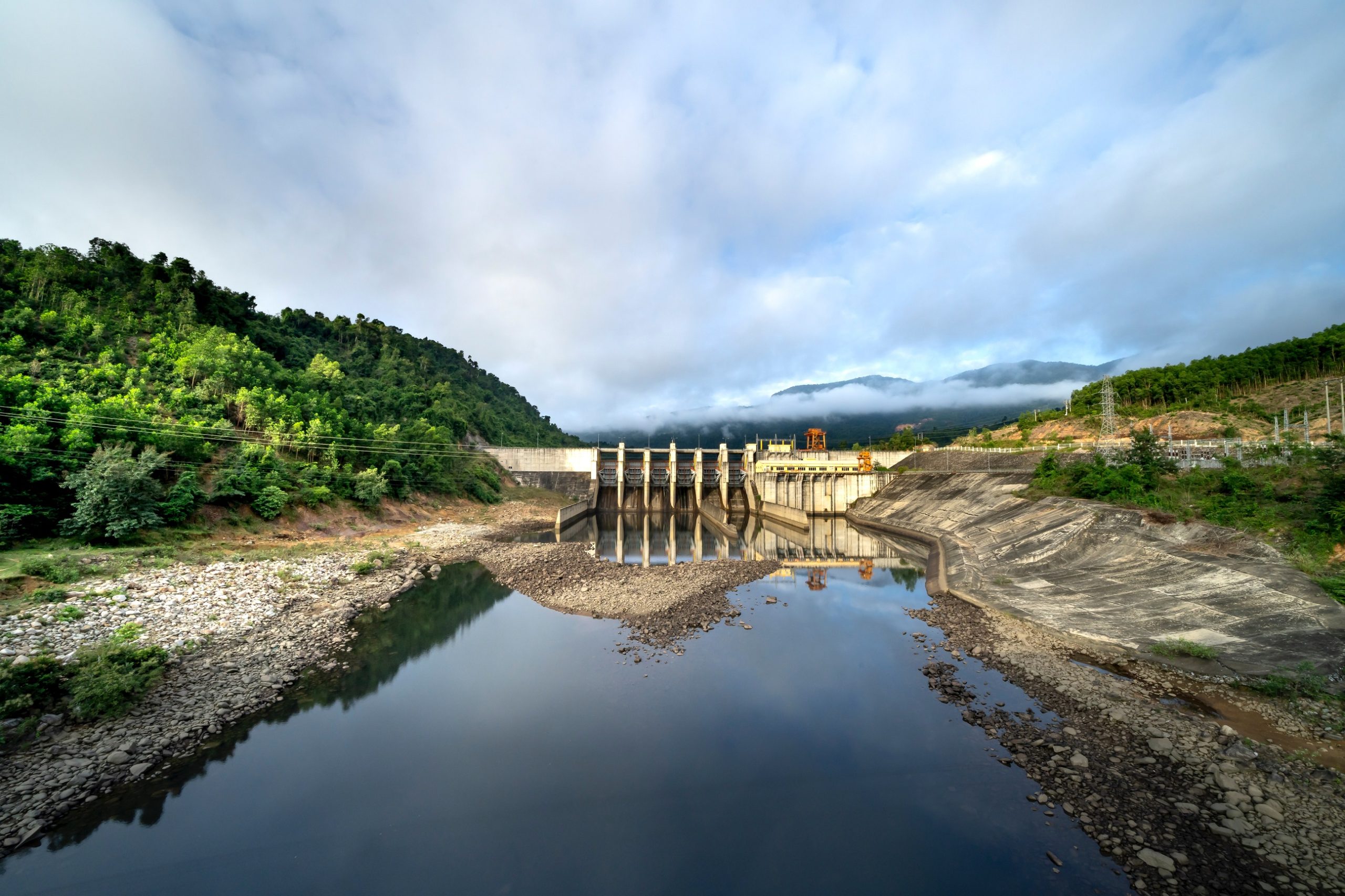
Water is around us every day, but many people don’t realize how massive our complex network of water systems have to be in order to fulfill humanity’s demands.

For many in the U.S., if you want a glass of water, you just grab a cup, go to the sink, and flip on the faucet. Water comes rushing out, you take your first sip (probably think about how you could really use a Mio right about now) and then you go on with your day. Easy.

Well, it’s not that easy. In fact, the process which happens from the water pooling somewhere, being delivered to your pipes, your turning the faucet on, and wishing you had some Mio to flavor it up is so complex that we should still all marvel at how we even have indoor plumbing at all.

Before we dive into this complex machine, however, let’s first set up a series of definitions so we can have a clear basis of understanding.

Our Water Systems Require Six Key Stages To Effectively Operate Today

Source water

Water has to start somewhere, and for us, it begins in the lakes, rivers, underground aquifers, ponds and reservoirs around us. Ultimately, all of our drinking water can eventually be traced back to these bodies of water in some way or another. There are many ways these waters are  fed, but the main sources of replenishment are rain and melting snow.  If we have lots of rain and snow, we have plenty of water. If there is a drought, that is why you see waterbans and water rationing in your local neighborhoods. This is an effort to make sure we don’t demand more than what our water sources can supply.

Water treatment

Can you walk right up to a river and drink from it? Sure. Though, we wouldn’t recommend it as there are potentially lots of different organisms and bacteria in that water which make it unsafe for our consumption.  For our water to be perfectly safe for drinking, we have to make sure that we filter and purify water so that it is safe for our use.

Water distribution systems

These are the pipes and pumps that deliver clean water to our taps. In Los Angeles, CA alone, there are over a quarter of a million pipes (which equal out to nearly 6800 miles long) that deliver their water on a daily basis.

Wastewater collection systems

We all have to go to the bathroom, right? In today’s day and age, we have the beauty of indoor plumbing – but that wastewater has to go from our toilets to somewhere and these are the pipes and pumps which take away that used water from our toilets, drains, bathtubs, and laundry. You are probably very familiar with this system because these are also known as sewers. In Los Angeles County the Sanitary Sewer Network covers approximately 824 square miles and encompasses 78 cities and unincorporated territory within the County. There are approximately 9,500 miles of tributary sewers that are owned and operated by the cities and County.

Wastewater treatment

This is a much bigger deal than you would think. Yes, our wastewater is treated and put back into the environment — which means it goes into our drinking water sources! Fret not though, there is a strict filtration process which the wastewater must undergo BEFORE it hits our drinking water supply. In fact, there are at least 5 different kinds of wastewater treatment which must be done – and then that water is literally crystal clear.  The process to remove contaminants from our used water so that it can be safely returned to the environment is also called sewage treatment.

Stormwater systems

It rains and it snows all over this country – but the water that is dumped on the land doesn’t just disappear.  Well, some of it leeches into the ground or evaporates, but most of it has to be physically moved away from our homes and/or streets so we can keep carrying on with our day-to-day lives. We do this by using the pipes, ditches and natural systems to channel that rainwater and snowmelt away back to the natural environment. You should be very familiar with these systems as well because there are storm drains everywhere!

The ground in urban areas is mostly covered by  roads, parking lots, or buildings, so the stormwater systems prevent flooding of our homes and businesses by collecting the water in storm drains and piping it to lakes, rivers and the ocean.

A complication exists for this water system because stormwater is not treated before it is discharged to the environment. As a result, contaminants and debris often get into the system, and impact humans, fish and other wildlife that use the lakes, rivers and ocean areas where stormwater flows.

This goes back to why you shouldn’t just drink water out of a local river, lake or pond.  More than likely you would be drinking stormwater!

Where Does Our Drinking Water Come From?

Many people get their water from municipal water systems, whereas others get their water from private wells, and water delivered by tanker trucks into holding tanks.

90% of the water that feeds into municipal water systems comes from surface water sources like rivers and lakes. The remainder of the water of the water usually comes from groundwater sources like underground aquifers.

How Does Water Get From The Water Source To The Taps In Our Kitchen?

As we noted before, our water is extracted from the water source and then it is vigorously treated before it is pumped to our taps. Most systems will include multiple filtration stages to remove particles, debris and algae – as well as  disinfection to remove various bacteria and viruses and purify the water.  To that end, most disinfection methods include chlorination and treatment with UV light.

Once treatment has been completed, water is distributed to homes and businesses in very large pipes called water mains. These mains are usually buried under roads and sidewalks and the maintenance of these pipes usually fall within the jurisdiction of the municipality.

From the main pipes come water lines – which are smaller pipes that transport the water from water mains to individual homes, apartments and businesses. Water lines are usually the responsibility of the property owner, and need to be maintained by the owner.

How Do We Know Our Water Is Safe And Where Does It Go?

Most people rely on sewer systems to take  water away from their homes and businesses, while other collect water in private septic systems, and very few people  haul their water away.

Water from the sewer pipes is treated because it is affected by the types of contaminants in the sewage.  As such, the wastewater is treated to the strict laws established in local  and federal regulations.

The most common steps in sewage treatment for our drinking watert:

  • Preliminary treatment removes grit, like sand and gravel, egg shells, coffee grounds etc. from raw sewage.
  • Primary treatment starts with temporary holding of sewage to allow the solids to sink to the bottom, and oil and grease to float to the top. The settled and floating material is removed, and the remaining liquid is moved to the next stage of treatment or discharged to the environment.
  • Secondary treatment removes dissolved and suspended biological matter and the remaining liquid is moved to the next stage of treatment or discharged to the environment.

Tertiary treatment is when water is treated with chemicals and filtered prior to being released to the environment.

Be Safe - Think Ahead

At PPS, we value preparation, trust, and integrity with our clients. We provide systems and solutions, not price only products.  Though we do not claim to have every solution for every disaster, we encourage clients to be open about their solutions and include all possible vendors. When in a disaster situation, a city, county, state, or government needs to consider all options.

As such, we guide our clients to prepare in advance for the worst, be it earthquake, flood, fires, or just an aging infrastructure utilizing lay flat hose. See our website for our layflat hose solutions.

pexels-quang-nguyen-vinh-6415966-1
Emergency Response Systems for Water and Wastewater

Not Every Small Wastewater System Is The Same — And Why You Need To Know The Differences

Wastewater is essentially “used” water. It includes substances such as human waste, food scraps, oils, soaps, and chemicals. It comes from homes, businesses, and industries everywhere.

If wastewater is not properly treated, then the effect on the environment and human health can be disastrous.  Without treatment, fish and wildlife populations would suffer, oxygen would deplete to dangerous levels, beaches would have to close and there would be massive restrictions on recreational water use or even drinking water use.

Wastewater Is A Vital Part Of Our Society And It Needs To Be Treated

Our water is used by homes, industries, and businesses, but it must be treated before it is released back into the environment.

While nature has an amazing ability to treat small amounts of water waste and pollution, it simply cannot treat the billions of gallons of wastewater and sewage produced every day by humans.

The goal is to remove as much of the suspended solids as possible before the remaining water is sent back to the environment.

Wastewater Treatment Methods And Technologies Which Are In Use Today

Decentralized Systems

This is a fancy way of referring to a septic system or a small community cluster.

Instead of collecting and transporting the wastewater to a nearby plant, a decentralized wastewater system treats sewage from homes and businesses near the source where wastewater is generated.

These systems play a major role in wastewater treatment in small communities across the country. A variety of decentralized technologies exist, ranging from individual septic systems to cluster systems that serve multiple properties. There are even advanced treatment systems that remove many of the pollutants harmful to humans and the environment in general.

Decentralized systems provide an effective, low-cost alternative to a centralized system – especially in a scenario where a centralized system may be impractical because of distance, terrain, or other factors.

Centralized Systems

Centralized systems are public sewer systems. You know those drains you see on the road? More than likely, those are sewer systems.

Sewers collect municipal wastewater from homes, businesses, and industries and deliver it to a treatment plant for processing. Once treated, the water is either reused or it is discharged back into the surface or groundwater.

There are many different types of centralized plants each with its own purpose and method of treating wastewater:

Sewage Treatment Plants

Treats wastewater from homes, businesses, or even pretreated wastewater from industrial use.  This wastewater treatment aims to remove contaminants from sewage to produce an “effluent” that is suitable for discharge to the surrounding environment or an intended reuse application.

Industrial Wastewater Treatment Plants

After treatment, the treated industrial wastewater (or effluent) may be reused or released to a sanitary sewer or to surface water in the environment. Most industrial processes, such as petroleum refineries, chemical, and petrochemical plants treat their wastewaters so that it complies with the regulations regarding the disposal of wastewaters into sewers or into rivers, lakes, or oceans.

Leachate Treatment Plants

These plants are used to treat leachate from landfills. Treatment options include biological treatment, mechanical treatment by ultrafiltration, treatment with active carbon filters, or electrochemical treatment.

Be Safe – Think Ahead

At PPS, we value preparation, trust, and integrity with our clients. We provide systems and solutions, not price-only products.  Though we do not claim to have every solution for every disaster, we encourage clients to be open about their solutions and include all possible vendors. When in a disaster situation, a city, county, state, or government needs to consider all options.

As such, we guide our clients to prepare in advance for the worst, be it an earthquake, flood, fires, or just an aging infrastructure utilizing a lay flat hose.